



Setups and changeovers quietly consume 15% to 30% of available production time in high-mix, low-volume plants, and most schedules still treat that number as fixed. AI for manufacturing changeovers exists because that assumption rarely holds up, and closing the gap between assumed and actual changeover time often reveals surprising hidden capacity, often without a single new machine on the floor.
Why Changeovers Cost More Than They Should
Sequence-dependent changeover burden now ranks among the most common pain points for small and mid-size discrete manufacturers, showing up in an estimated 60% to 70% of high-mix, low-volume plants. These plants typically convert only 45% to 55% of operator hours into genuinely productive time, with the rest lost to changeovers, waiting on materials, and schedule volatility that a fixed estimate never accounted for.
Crews wait, then rush, and overtime climbs while equipment sits idle, which is exactly where manufacturing changeover reduction efforts tend to focus first, because the losses are large, well-documented, and largely preventable once someone starts measuring them properly.
How AI Changeover Optimization Works
Rather than minimizing changeovers manually, production changeover optimization uses constraint-aware scheduling that accounts for machines, labor, materials, and routings together, then adjusts as reality shifts.
If a high-priority batch is delayed, the system reassigns lower-priority jobs and pushes the new plan downstream immediately, instead of waiting for the next planning meeting to catch up.
AI production optimization also clusters similar jobs to cut the number of changeovers required, so setup time reduction happens by design instead of by chance.
NTWIST's Nexus iMES is built around exactly this kind of constraint-aware scheduling, sitting on top of the ERP and MES data a plant already has.
The Results So Far
Plants moving from Excel-based planning to constraint-aware scheduling tend to see on-time-in-full delivery climb toward 93%, up from a baseline closer to 70% to 80%. Lead times have typically dropped 15% to 30%, and planners report spending 25% to 35% less time on manual replanning, hours that used to go into rebuilding the same schedule two or three times a week.
A global bakery ingredients manufacturer that had relied on manual planning and constant firefighting found that materials were ready when needed once it adopted Nexus iMES, with changes flowing to the floor in minutes instead of being discovered the next morning.
A global food producer, in a separate deployment, increased throughput by 29% and lifted on-time-in-full delivery to 95%. Without adding equipment or changing its ERP system, results that came from better sequencing rather than any new capital spend.
Setup Time Reduction Without New Capital
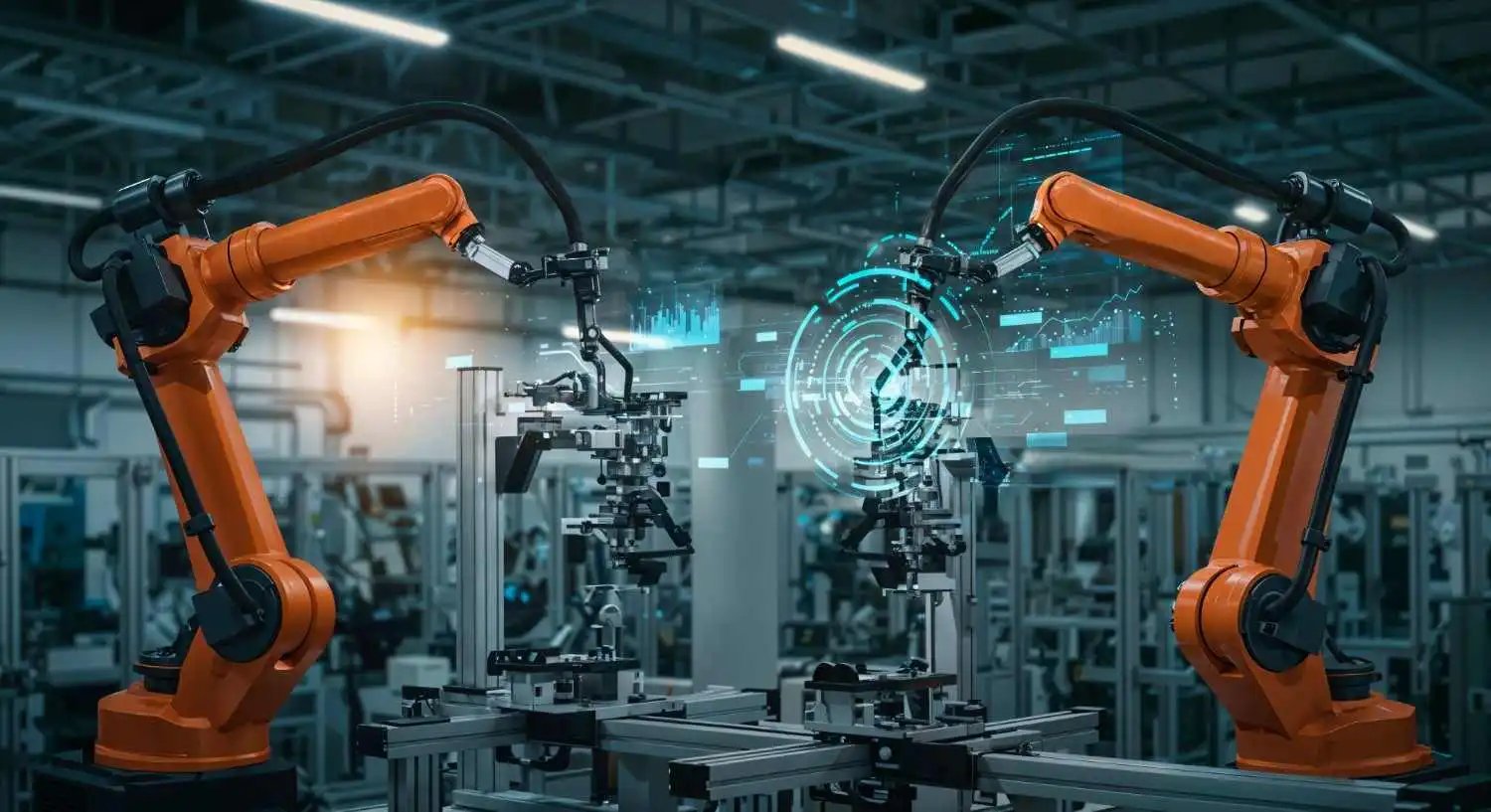
None of these gains required new machines. Nexus iMES and similar AI changeover optimization tools typically work alongside existing ERP and MES systems, using operator and machine signals already on the floor.
Modular, cloud-based platforms built for this segment can often go live in 6 to 10 weeks, versus 9 to 18 months for larger legacy systems, a difference that matters most for plants that cannot justify a year-long project just to fix changeover losses.
Getting Started
Reducing changeover losses starts with an honest baseline: current downtime, setup time by product family, and where manual rescheduling eats the most planner hours.
From there, constraint-aware logic layers gradually, starting with the highest-friction product lines.
Teams that track overtime typically see reductions of 10% to 30% once changeover logic is tightened.
Frequently Asked Questions About AI for Manufacturing Changeovers
Q1. What is AI for manufacturing changeovers?
It refers to scheduling systems that use constraint-aware logic and real-time floor signals to reduce the time and output lost during product or batch changeovers.
Q2. How much can AI changeover optimization improve throughput?
Reported improvements range from 5% to 30%, with on-time-in-full delivery often climbing to around 93% from a baseline closer to 70% to 80%, depending heavily on how much changeover time was previously hidden inside a fixed estimate.
Q3. Does production changeover optimization require replacing existing ERP or MES systems?
No. NTWIST's Nexus iMES and most comparable setups work alongside existing ERP and MES platforms rather than replacing them.
Q4. How quickly can a manufacturer see setup time reduction results?
Many reach a first trusted scheduling loop within 30 days and positive ROI within 45 days of go-live.
Q5. What environments benefit most from AI production optimization?
High-mix, low-volume and batch environments such as food, packaging, chemicals, and metals, since changeover burden already ranks among their top pain points, and even modest sequencing improvements tend to compound quickly across a full week of production.
