%20(21).jpg?width=1200&height=630&name=Featured%20Images%20(1200%20x%20630%20px)%20(21).jpg)
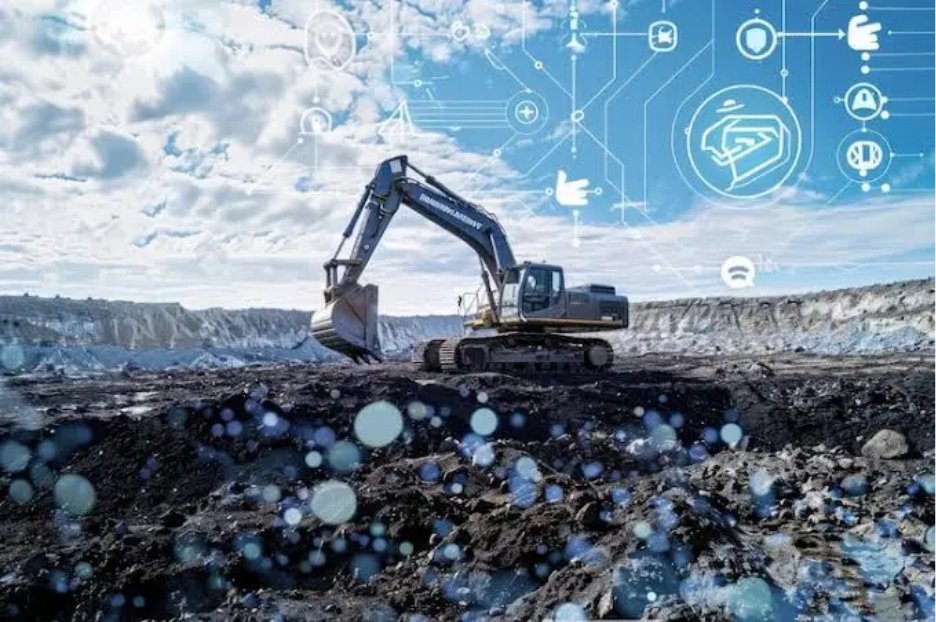

Digital Twin Technology has recently expanded to various sectors, including mining. For many mining companies, digital solutions are a way to secure a competitive edge amidst external pressures to work more productively and cost effectively, while maximizing resource use. Mining Digital Twin Technology provides significant new opportunities.
However, with complex mining processes, large assets, and aged infrastructure, one has to ask, does Digital Twin Technology offer a new mining industry buzzword, or does it offer real, measurable value to business?
The answer is becoming clearer and favors the second option. Digital twins are being adopted across the globe by mining companies to enhance the visibility of operations and coordinate work in a way that optimizes production, and minimizes downtime and costs, as well as improves the overall quality of decisions made. While there are challenges to successful digital twin implementations, such as the need for well-planned operations and quality data, the opportunities presented by this technology are evident.
Here, we describe Digital Twin Technology in mining, its applications, and the ROI being realized by its early adopter companies, as well as the potential barriers to its adoption by mining companies.
What is a Digital Twin?
The term Digital Twin refers to a dynamic digital representation of a physical asset, process, or system that is continuously updated to reflect its real-world counterpart. Digital Twins stand apart from models and traditional, static simulations.
Digital Twins of mining operations can represent:
- A grinding or milling circuit
- A flotation process
- A haulage network
- A conveyor system
- A stockpile management system
- An entire processing plant
- A complete mining operation
- No more unanticipated downtime
- Improved equipment reliability
- Reduced cost of maintenance
- Better equipment lifespan
- Increased throughput
- Increased recovery
- Reduced variability
- Greater process stability
- Operational Insights
- Data-Driven Decisions
- Modular Deployment Options
- Rapid Value
- Business Value
- Sensors
- Data
- Systems
- Equipment reliability
- Throughput optimization
- Energy efficiency
- Maintenance planning
- Reliability
- Reduction of downtime
- Improvement of throughput
- Enhancement of recovery
- Realized savings of energy
Using data from sensors, digital twins can capture operational inputs and augmented historical data. This digital version of a mining system is a virtual space that creates an environment of real-world performance.
One of the biggest benefits of digital twin technology is that teams can simulate the current state of the mine, predict how things will be days or weeks ahead, and model how various operations will impact overall output, all without stopping production. This gives mining companies the ability to make better and more confident decisions.
Digital twin technology is becoming more valuable as mining operations gain the ability to view more and more connections with complex systems and workflows.
Why Digital Twin Technology is Affecting the Mining Sector
There are a lot of advantages that digital twin technology brings to the mining sector. First, mining operations produce large amounts of data, and digital twin technology gives companies the ability to access that data and make decisions based on the current state.
Digital twin technology also provides mining companies with real-time operational data, enabling them to model system performance and evaluate how operational changes may affect overall output.
This technology is vital for mining companies; they must consistently and simultaneously balance maximizing output, improving the recovery rate, reducing the overall cost, and managing the operational risk.
Digital twins also provide mining companies with the ability to manage profitability while maintaining the balance of the other factors listed above.
Where Digital Twin Technology is Being Used in Mining
 Digital twin technology is being used in a number of different applications in mining. One of the most common uses is process optimization.
Process Optimization
Advanced process control in flotation circuits was made possible by ABB’s implementation of a digital twin at Boliden’s Aitik mine.
The solution offered better insights into process performance and allowed more fine-tuned adjustments to operations, yielding considerable gains in both throughput and energy efficiency.
For mining operations, even minor advances in recovery or throughput translate to meaningful and sustained financial returns.
Material Handling Simulations
Mining efficiency is impacted by all facets of mining, and the movement of material is key to successful operations.
Sibanye-Stillwater created a backfill simulation twin to optimize scheduling and reduce constraints in material handling.
The use of a digital twin enabled them to test different operating scenarios, identify workflow constraints, and evaluate solutions without impacting live operations.
Strategic Planning and Capital Decisions
Mining operations routinely must make high-value strategic capital decisions.
From the addition of a processing facility to the purchase of new equipment to the alteration of operational workflows, these capital decisions carry the potential for great financial exposure.
Digital twins help organizations reduce the financial risk of capital investments by allowing them to simulate decisions before implementation.
Trusted industry opinion is that digital twins are an essential component of strategic planning and offer firms a higher degree of confidence in their capital expenditure decisions.
Predictive Maintenance
The biggest challenge to profitability in mining is still equipment failure.
Digital twins can assist in the implementation of a predictive maintenance strategy by enabling the ongoing assessment of the health of operational equipment.
This offers the advantage of:
The mining industry has been focusing its efforts on ensuring operations are resilient. Of all the industries that have adopted digital twin technology, mining offers the greatest opportunity for the implementation of predictive maintenance.
So, What’s the ROI?
The most frequently asked question regarding digital twins is simply:
Are there any returns?
Industry metrics show that the answer to this question is a resounding yes.
Visual Capitalist’s industry research notes that in the energy, manufacturing, and mining sectors, the average digital twin deployment return on investment was over 200%.
Results tend to vary based on the project's scope and deployment, but there are several ways value creation has been reported by organizations.
Less Downtime
Production goals can be adversely impacted by the unexpected failure of a piece of equipment.
Digital twins find performance issues before they reach the level of critical failure and can be economically beneficial to a mining company as the downtime is prevented, and the process remains operational.
Better Process Performance
Digital twins allow the operator to find issues and gain efficiencies on the processes that are being run, and the effects of that are:
The effects of these improvements can be sustained value creation.
Improved Energy Efficiency
A large portion of costs incurred by a mining company come from energy consumption.
Digital twins can provide companies with the ability to increase the visibility of performance and help find ways to reduce energy consumption while still meeting production goals.
Improved Speed of Decision Making
Mining operations and leadership have to make a number of decisions based on a level of uncertainty.
Digital twins allow teams to evaluate and test operational changes by simulating the changes, thereby making the decision less risky and speeding up the changes to the production and maintenance plans.
How NTWIST Delivers Mining Digital Twin Solutions to Deliver ROI
At NTWIST, we transform mining operations digitally through focused mining digital twin developments and digital operations solutions that address specific constraints rather than building large, generalized digital twin platforms.
We provide solutions that directly impact operational KPIs.
What We Value
Mining companies looking to enhance the results, insights, and ROI of investing in Mining Digital Twin Technology need to take a more focused approach to operational problems.
Issues to Address Before a Digital Twin Deployment
Even though the advantages of digital twins are significant, they are not easy to use, off-the-shelf solutions.
Some of the challenges organizations developing digital twins need to be aware of are as follows:
Data Readiness
Digital twins are only as good as the data used to build them.
Inaccurate models with poorly calibrated sensors and incomplete process information diminish the trust of operational teams.
Organizations need to assess the readiness of:
With the right data, the output will be of good value.
System Readiness
Operational mining technology often includes a mix of legacy systems, historians, SCADA, and OT.
Bringing all these systems into real-time Digital Twin is complex.
The effort of system integration is often more valuable than the Digital Twin, as it significantly improves data availability across the organization.
Enterprise Readiness
Value is only created with the efforts and participation of the workers.
Digital twins with the most complex models may yield little to no value without the involvement of workers.
Mining companies with a focus on the engagement and communication of system users achieve significantly better results.
Common Approaches of Mining Companies Achieving the Best Results from Digital Twin Technology

Complementary to each other and with a clear outcome, phased deployments of Digital Twin Technology yield significantly better results than large all-encompassing deployments.
Choose a Business-Critical Issue Like:
Set Specific Goals
Success standards must be established before assessing prospects. Examples of goals include:
Develop Gradually
A common attribute of successful organizations is that they begin with just one process, one asset, or one operational area, and then, once they start realizing value, they expand the digital twin across the rest of their operations. It is a low-risk method for ensuring a quicker return on investment.
Digital Twin Technology in Mining FAQs
What is digital twin technology in mining?
In mining, digital twin technology builds a virtual model of an asset, piece of equipment, or process using the real-time operational data of mining. It aids the processes of optimization, monitoring, and maintenance, and improves the quality of decisions within the mining industry.
What are the advantages of digital twin technology in mining?
Some advantages of digital twin technology in mining are fewer delays, more dependable equipment, a more efficient production process, improved energy usage, and better operational decisions.
What is the cost of implementing digital twin technology?
The cost of implementation depends on the scope of the individual project and the infrastructure that must be built to support it. However, many companies realize a positive value much more quickly through the facilitated operational enhancements and savings.
Can all mining companies, including small and medium-sized companies, implement digital twins?
Yes. Because of the versatility of modern cloud technology and the development of modular systems, digital twin technology is now available to all mining companies.
Final Thoughts
In the past couple of years, the advancement of digital twin technology in mining has gained momentum.
Mining operations formerly classified as a cutting-edge trend have been receiving concrete benefits consistently for the past few years.
Digital twins are assisting an organization through various stages of the digital transformation journey such as the process enhancement and predictive maintenance even further, into the realm of business planning, operational strategies, and analytics. Furthermore, digital twins allow the organization to optimize operational efficiency and expand the profit curve while simultaneously mitigating and managing the risk exposure.
The benefits associated with digital twins are the result of successful implementation of the technique. The mining firms that implement a defined business goal, identify and set targeted key performance indicators, and address relevant, high-impact areas of the business will be more likely to receive benefits from the implementation.
Digital twins are an actual technology, and while they are frequently misjudged, for the mining firm that possesses the correct data and the optimal implementation approach, mining digital twins can create a significant return on investment, provide timely and relevant business insights, and greatly advance the firm on the journey to operational improvement and excellence.
About the Author
Pramodh Chandrashekar is an industry and technology expert and Senior Researcher at NTWIST. His expertise includes industrial AI, mining and manufacturing technology, digital transformation, and operational optimization.
He focuses on applying AI and data-driven technologies to improve operational efficiency and business performance.
LinkedIn: Pramodh Chandrashekar
References
ABB. (2023). Case Study: The Use of a Digital Twin with Advanced Process Control at Boliden Aitik Mine. Retrieved from https://new.abb.com/mining/digital-applications/...
Forbes. (2024). Digital Twins For Mining Industries: A Transformative Technology. Retrieved from https://www.forbes.com/councils/.../digital-twins-for-mining-industries...
Visual Capitalist. (2024). Charted: The Return on Investment of Digital Twins. Retrieved from https://www.visualcapitalist.com/dp/charted-the-return-on-investment-of-digital-twins/
ScienceDirect. (2024). Exploring Digital Twin Systems in Mining Operations: A Review. Retrieved from https://www.sciencedirect.com/science/article/pii/S2950555024000582
MOSIMTEC. (2023). Case Study: Sibanye-Stillwater Nye Backfill Simulation (Process Digital Twin). Retrieved from https://mosimtec.com/.../sibanye-stillwater-nye-backfill-simulation...